How to Plan Postgame Transportation in Chicago
How to Plan Postgame Transportation in Chicago

The final whistle is exciting. The first 20 minutes afterward can be anything but. Thousands of fans leave at once, rideshare prices climb, streets close, and a simple “Where should we meet?” text can turn into a frustrating group chat. Knowing how to plan postgame transportation means giving your group a clear, comfortable way out before the crowd pours onto the sidewalk.
For Chicago game days, the best plan is rarely the one made after the game. Whether you are taking clients to a Bulls game, bringing the family to Wrigley Field, celebrating a big win with friends, or coordinating wedding guests around a sporting event, a little advance planning keeps the energy high long after the scoreboard goes dark.
Start With the Postgame Experience You Want
Transportation is not just a route from the venue to the next stop. It sets the tone for the end of the night. A couple heading to dinner may want a relaxed, scenic ride. A group of friends may want music, lights, and a festive trip to a nearby bar or hotel. A corporate host may need a polished, reliable departure that gets guests to their next reservation without confusion.
Start by deciding what happens after the game. Are guests going straight home, splitting into smaller groups, heading to dinner, or continuing the celebration? Your answer shapes every other decision, including vehicle type, pickup location, timing, and budget.
A private ride can make sense when the destination is close and the experience matters as much as the transfer. For larger groups, coordinated shuttles or multiple reserved vehicles prevent guests from scattering into separate rideshares and arriving at different times. For visitors, an experienced local driver-guide can turn the ride through Chicago into one more memorable part of the day.
Choose a Pickup Point Before You Arrive
The most common postgame transportation mistake is assuming you can meet directly outside the exit gate. In reality, the closest curb is often the most congested place in the neighborhood. There may be police direction, blocked streets, heavy foot traffic, and a line of cars all looking for the same opening.
Choose a pickup point that is easy to identify and a short walk from the venue, but far enough away to avoid the main crowd surge. Think in landmarks, not vague intersections. “Meet by the red awning across from the park entrance” is much easier to follow than “Meet on Clark.” If your group is unfamiliar with Chicago, send the exact meeting point, a map screenshot, and a backup contact before the game begins.
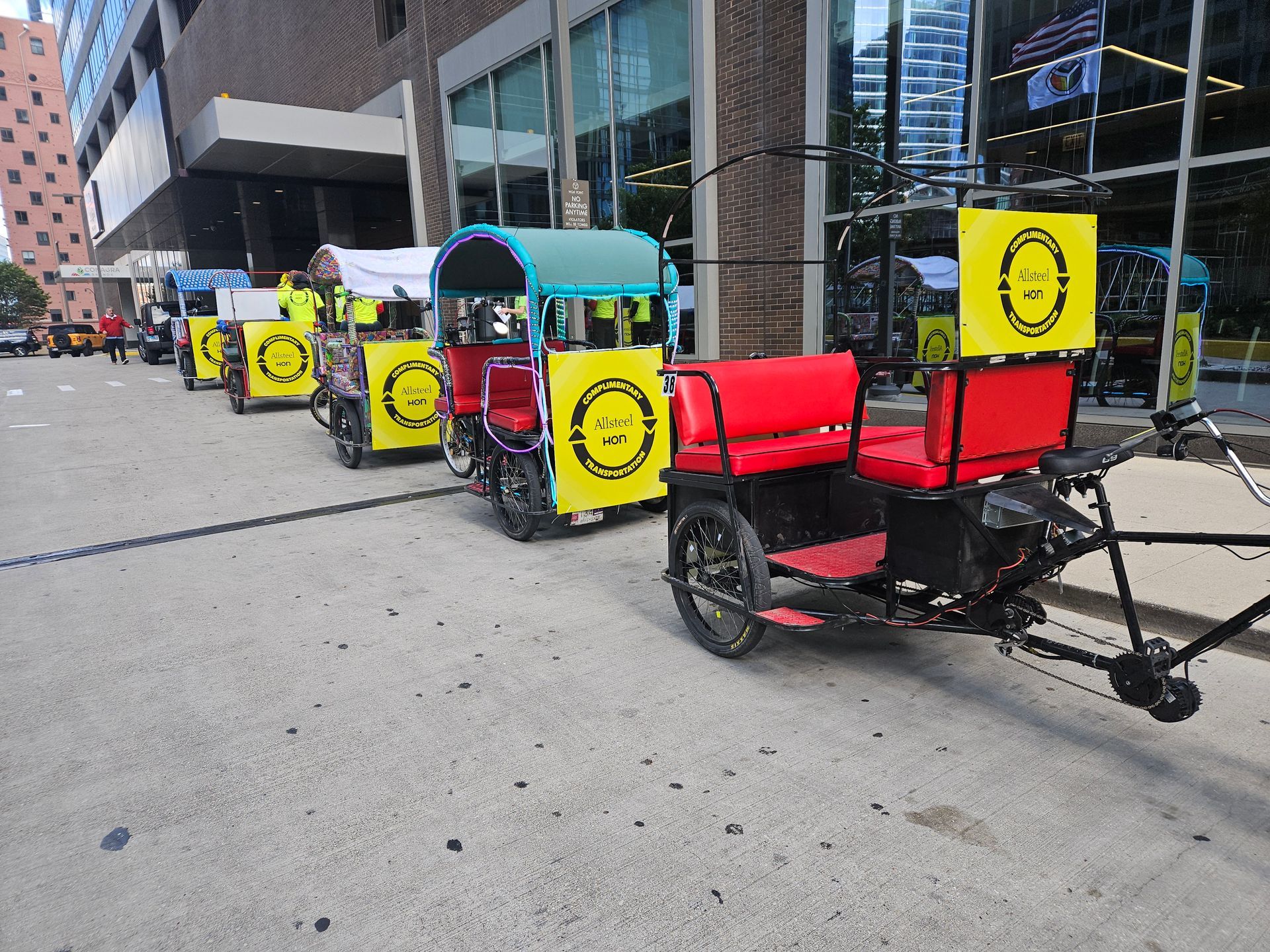
For pedicab transportation, pickup access matters even more. A great driver can navigate lively event areas, but street restrictions, pedestrian flow, and the venue’s immediate perimeter affect where a pedicab can safely stop. A pre-arranged location gives everyone a smoother start and avoids a long, confusing search after the game.
Build in a short walk
A five- to ten-minute walk away from the stadium can save much more than ten minutes of waiting in traffic. It also gives guests time to regroup, use the restroom, grab a final drink of water, and move out of the loudest part of the crowd. For older guests, children, or anyone with mobility needs, select a closer point with a clear, low-stress route and communicate it early.
Plan for the Clock, Not Just the Start Time
Games do not end on schedule. Overtime, extra innings, weather delays, postgame celebrations, and slow exits can all change the timing. When you reserve transportation, share the game start time and explain that the pickup is tied to the event ending, not a precise minute on the clock.
For a standard game, plan for your group to be ready roughly 15 to 30 minutes after the final play. This buffer helps people leave their seats, make their way through the concourse, and reach the meeting location without rushing. If you are hosting a large group, allow more time. Moving 50 people is not the same as moving five, especially when everyone is wearing team colors and stopping for photos.
A good transportation provider should have a communication plan for game-day changes. Designate one person as the group lead and make sure that person has the driver or coordinator’s contact information. The group lead can confirm whether the game is running long, relay any pickup adjustment, and keep guests from sending conflicting messages.
Match the Ride to Your Group Size
The right transportation plan depends on who is traveling and how they want to feel at the end of the night. Couples and small groups may prefer an intimate ride that keeps the celebration personal. Families need room for kids, snacks, and a pace that does not feel chaotic. Party groups often care most about keeping everyone together and carrying the fun from the stadium to the next stop.
For event planners, capacity should be calculated with a little breathing room. Do not reserve exactly enough seats if guests may bring bags, wear bulky cold-weather gear, or need space for mobility equipment. Chicago weather can change quickly, and a comfortable group is a happier group.
If your party is more than a handful of people, decide whether everyone truly needs to leave together. A staged departure can be smarter. For example, families and early departures can leave first, while guests continuing to dinner or nightlife depart 20 minutes later. This reduces the pressure on one pickup window and keeps the curbside area more organized.
Bike and the City can coordinate branded pedicabs for intimate rides, celebratory outings, and larger event transportation needs, helping groups turn a short postgame transfer into a VIP Chicago moment.
Account for Chicago Traffic, Weather, and Street Closures
Chicago is built for big events, but that does not mean traffic disappears when the game ends. Around major venues, drivers may face traffic control, temporary no-stop zones, road closures, and a flood of pedestrians. Your route needs room for real conditions, not just what looks fastest on a map at noon.
Check the forecast the day before and again on game day. Rain may make walking to a distant pickup point less appealing. Cold weather can affect how long guests are comfortable waiting outside. On hot summer nights, people may need water and shade. A covered or nearby meeting spot can make a major difference.
Pedicabs are especially fun for short, scenic trips in busy city neighborhoods, but conditions matter. Heavy rain, unsafe road conditions, and route restrictions can require a different plan. Ask about weather policies and backup options during booking, rather than treating bad weather as a last-minute surprise.
Make safety part of the celebration
Postgame excitement can make groups less aware of their surroundings. Keep phones charged, share the meeting point before entering the venue, and make sure nobody is left to navigate alone after dark. If alcohol is part of the celebration, arrange transportation that removes the question of who is driving.
For children, designate an adult responsible for each small group during the walk to the pickup point. For corporate or wedding events, identify a guest services lead who can guide people, answer questions, and help late arrivals find the right vehicle. The more visible the coordination, the more relaxed your guests will feel.
Communicate the Plan in One Simple Message
Your guests should not need to hunt through a long email thread to know what happens after the game. Send one concise message before the event with the pickup landmark, expected pickup window, transportation type, group lead’s phone number, and the next destination.
Keep the language direct: “After the game, walk to the southeast corner of the park entrance and meet our group lead by the blue hotel sign. Our ride will arrive between 9:45 and 10:00 p.m. We are heading to dinner at the River North restaurant.” That is enough detail to be useful without overwhelming anyone.
For larger groups, repeat the instructions shortly before the game ends. A quick text at the start of the fourth quarter, seventh-inning stretch, or final period gives guests a reminder while they still have service and attention to spare.
Leave Room for the Unexpected
Even the best postgame transportation plan needs flexibility. Someone may leave early. A game may go into overtime. A street may close without much warning. The goal is not to control every variable. It is to have a clear primary plan, a realistic buffer, and one person empowered to make decisions if conditions change.
When the ride is already arranged, the meeting point is clear, and everyone knows where they are headed next, the end of the game feels less like a traffic problem and more like part of the occasion. Let the crowd rush for the curb. Your group can head into the Chicago night with a plan, a great story, and plenty of energy left to celebrate.