Corporate Pedicab Campaign Examples That Get Seen
Corporate Pedicab Campaign Examples That Get Seen
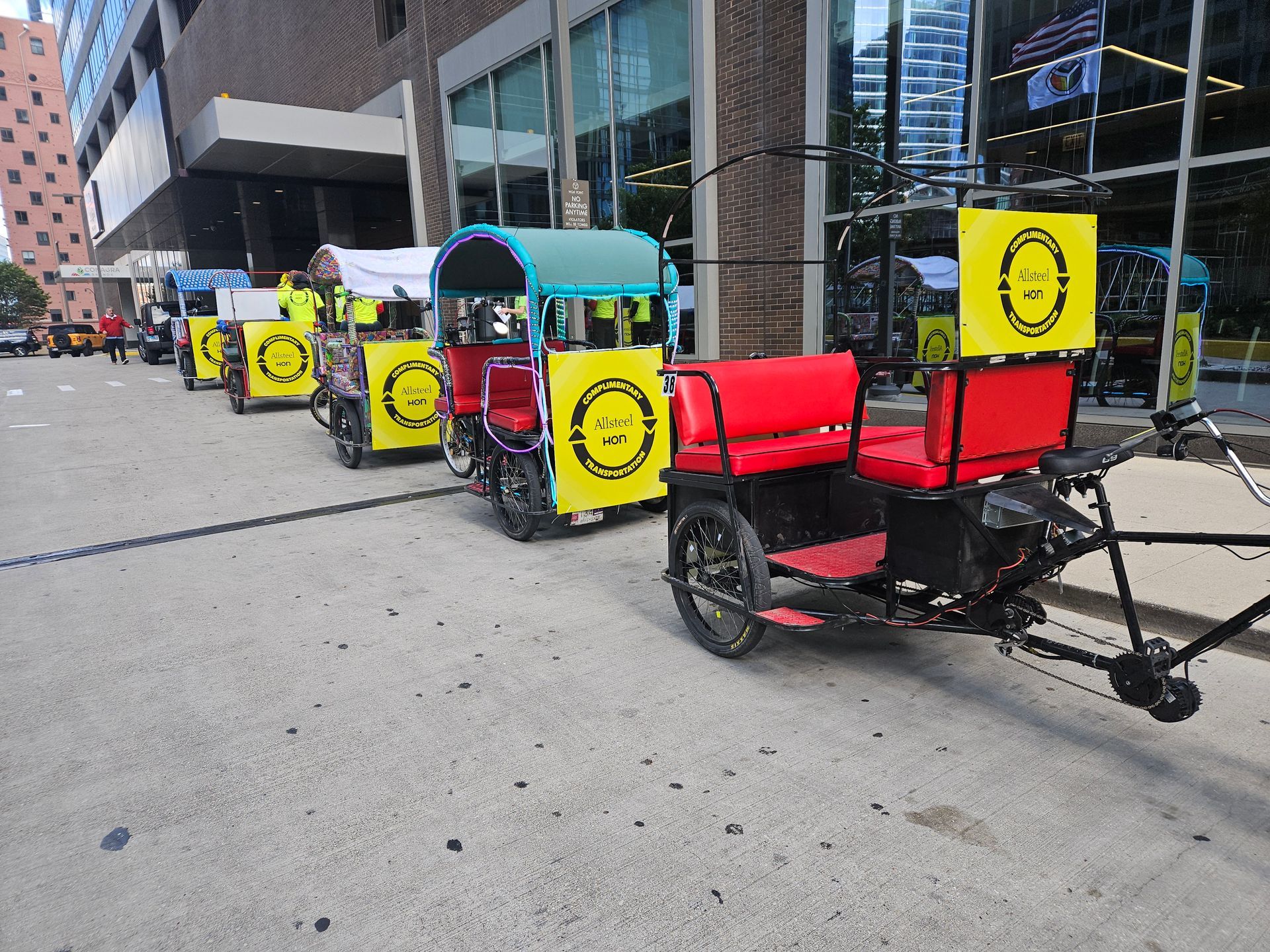
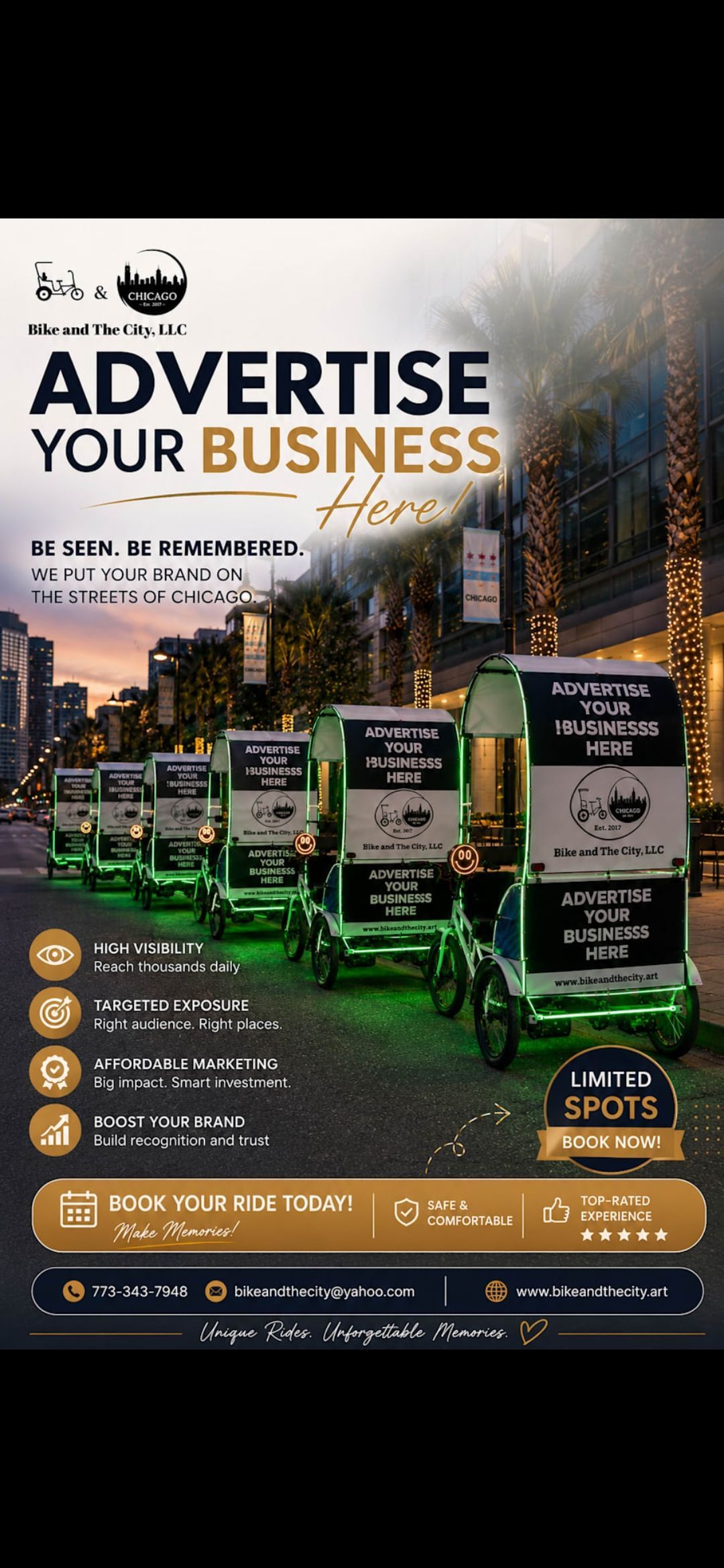
A logo on a step-and-repeat gets one photo. A branded pedicab moving guests through Chicago gets noticed block after block - and gives people a ride they are genuinely happy to take. That is what makes corporate pedicab campaign examples so useful for planners: the vehicle is both event transportation and a highly visible part of the experience.
For a conference, product launch, client dinner, or employee celebration, branded pedicabs bring a festive VIP energy that a standard shuttle simply cannot match. They can help guests get from point A to point B, create a natural photo moment, and make a brand feel present in the city rather than tucked inside a ballroom.
Why Pedicab Campaigns Work at Corporate Events
The best event marketing does not interrupt the guest experience. It improves it. A pedicab does exactly that when the route, branding, and rider experience are planned together.
Guests appreciate a convenient ride between hotels, venues, restaurants, and Chicago landmarks. Meanwhile, a branded canopy, side panels, and coordinated colors put the campaign in front of attendees and pedestrians. Add upbeat music, polished driver-guides, and an evening route with lights, and the ride becomes a story guests want to share.
There is a practical side, too. Downtown events often involve short trips that are inconvenient for large buses and more complicated than calling individual rideshares. Pedicabs are especially effective for quick, memorable transfers in busy event zones. The right approach depends on crowd size, route conditions, weather, and whether your primary goal is guest mobility, brand awareness, or both.
Corporate Pedicab Campaign Examples for Chicago
These campaign concepts show how a company can turn a simple ride into a stronger event touchpoint. Each can be tailored to a different audience, timeline, and visual identity.
1. The Conference Connector
Picture a multi-day convention with a host hotel, a main venue, and evening receptions spread across downtown. Instead of leaving attendees to navigate the walk or arrange their own transportation, the organizer offers branded pedicab rides during peak arrival and departure windows.
The campaign can use a concise message on the pedicab panels, such as a product tagline or event hashtag, while drivers welcome guests and keep the route moving. QR codes can work well when they lead to something useful: the conference agenda, a networking schedule, a giveaway entry, or the next event location.
This format is less about a lengthy sightseeing tour and more about reducing friction. Guests feel taken care of, and the brand earns repeated exposure throughout the event. For large groups, multiple pedicabs can operate as a coordinated shuttle loop rather than a one-off novelty ride.
2. A Product Launch That Moves Through the City
A new product deserves more than a presentation screen. A mobile pedicab campaign can extend the launch beyond the venue doors, especially when the product has a bold visual identity or a lifestyle angle.
For example, a beverage, fashion, entertainment, or technology brand could host invitation-only rides to a launch party, with pedicabs dressed in the campaign color palette and drivers outfitted to match. Guests board at a designated pickup point, receive a quick welcome, and arrive at the event with music and lights setting the mood.
The trade-off is that heavy branding should still leave room for a clean, premium look. Too many messages compete for attention. One strong visual, a readable name, and a simple call to action tend to create a more polished result than trying to fit an entire ad campaign onto every panel.
3. The VIP Client Dinner Arrival
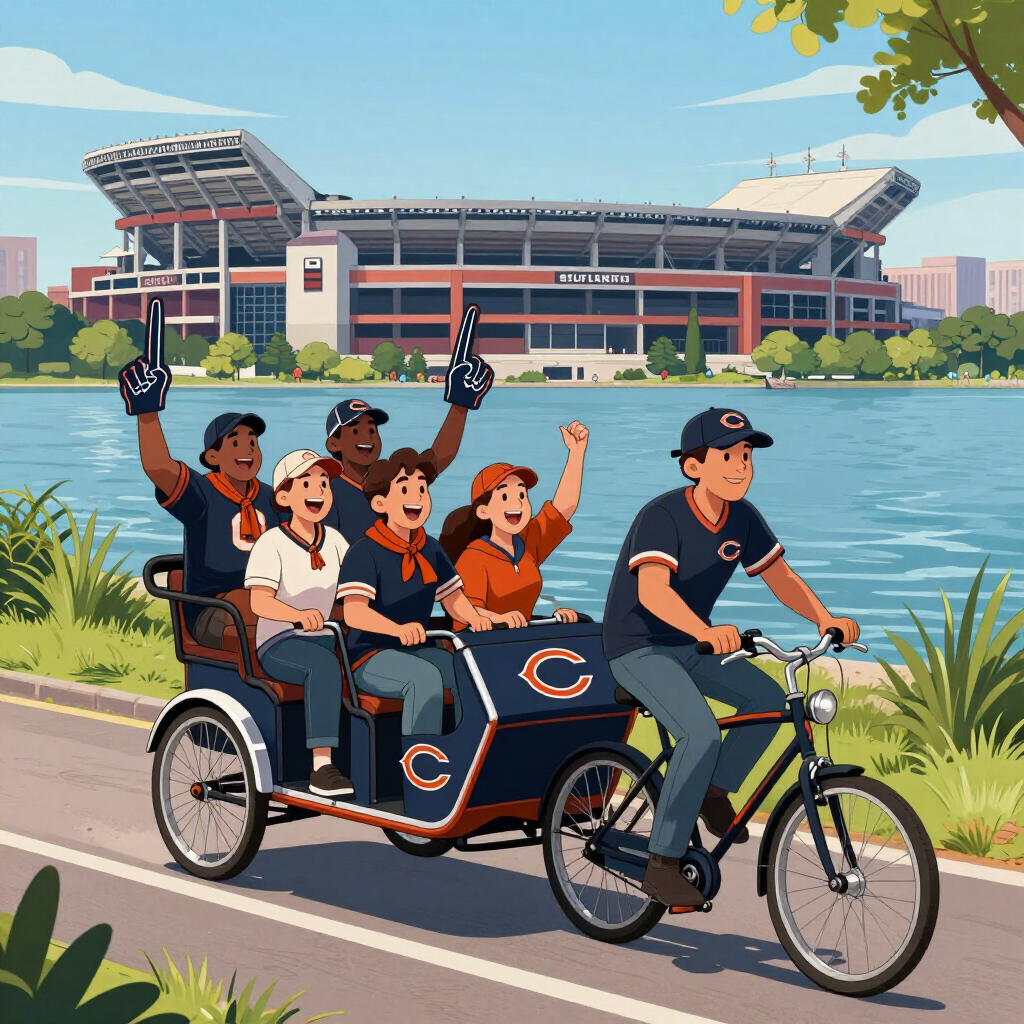
Client entertainment works best when it feels personal. For a dinner near the river, in the West Loop, or around a major downtown hotel, pedicabs can pick up a small group and deliver a Chicago arrival that feels far more special than a standard car service.
This campaign style calls for subtle branding. Think a company logo, custom colors, refined signage, and a route that includes a few great city views before dinner. A professional driver-guide can point out landmarks without turning the occasion into a formal tour.
For financial firms, professional services teams, and luxury brands, the goal is not loud promotion. It is hospitality. The message to clients is simple: we planned this evening carefully, and we wanted it to feel memorable from the first minute.
4. Employee Appreciation Rides
Corporate campaigns do not always need an external audience. A pedicab activation can be a standout feature of an employee appreciation day, holiday party, company picnic, or team offsite.
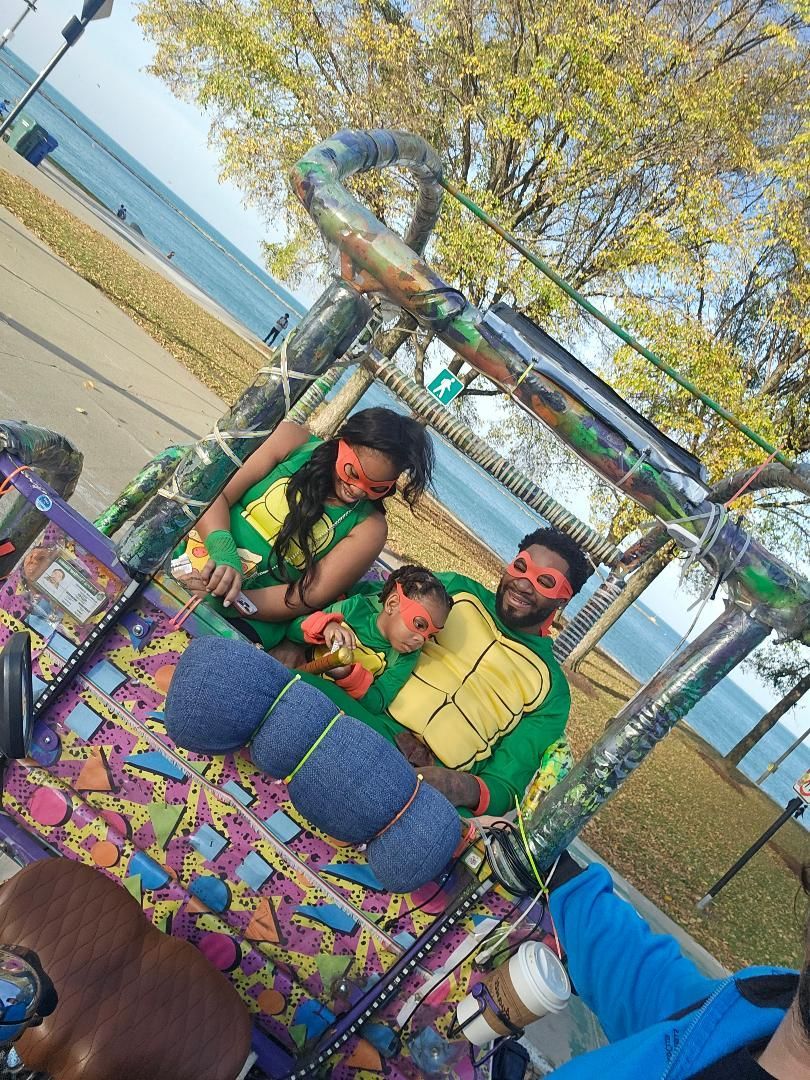
One approach is to create a short ride circuit near the celebration venue. Another is to use pedicabs for transportation between an office, activity site, and dinner reservation. Brand the fleet with company colors, build a fun playlist, and let each ride feel like part of the party rather than a logistical chore.
This is especially effective for teams that want a Chicago experience without organizing a rigid bus tour. Employees can enjoy the city, take photos, and arrive together in a relaxed, celebratory mood. It also gives remote employees or visiting colleagues a welcome that feels distinctly local.
5. A Festival or Trade Show Street-Team Activation
For companies sponsoring a public event, a branded pedicab can become a moving ambassador. Rather than parking a display in one location and waiting for foot traffic, the pedicab travels through approved event areas, drawing attention with bright visuals and friendly drivers.
The strongest street-team version includes a clear destination or benefit. Perhaps riders are transported to a brand lounge, invited to a nearby sampling station, or given a code for an on-site promotion. The pedicab should support the activation, not replace it.
This concept needs thoughtful coordination. Public events can have rules around vendor access, vehicle placement, sampling, signage, and permitted routes. Build campaign timing around those requirements, and prioritize guest safety and traffic flow over trying to cover every possible block.
Build the Ride Around One Clear Objective
Before choosing colors, music, or copy, decide what success looks like. Are you trying to move 150 attendees efficiently? Reward a dozen top clients? Generate photos and social conversation? Guide guests to a featured location? A campaign can do several things well, but it should have one primary job.
If transportation is the priority, focus on pickup locations, ride windows, wayfinding, and fleet capacity. If visibility is the priority, focus on bold creative that can be recognized from a distance. If the event is about VIP hospitality, make the ride feel elevated with a tailored route, welcoming drivers, and an itinerary that never leaves guests wondering where they should be.
A useful rule is to make the branding easy to understand in three seconds. Pedestrians may only see the pedicab for a moment. Event guests will remember the feeling longer, so pair clear visuals with a ride that is comfortable, fun, and well organized.
Details That Make a Campaign Feel Premium
A great branded pedicab is not just a logo applied to a vehicle. It is a complete guest experience. Start with creative that works in daylight and after dark. High-contrast colors and concise wording read best from the sidewalk, while lights can add extra excitement for evening celebrations.
Then consider the rider journey. Where will guests find the pedicabs? Who is greeting them? Are there host signs, a ride schedule, or a branded pickup zone? Even a fun activation needs clear direction when an event crowd is moving quickly.
Driver presentation matters as well. Professional, knowledgeable drivers set the tone from the first greeting. They can keep the experience upbeat, answer simple city questions, and help riders feel confident that the route is being handled by an experienced team.
For Chicago events of all sizes, Bike and the City can scale branded pedicab transportation from an intimate VIP outing to a coordinated group operation. The most successful campaign is not always the biggest one. It is the one guests remember because it made the city feel closer, the event feel easier, and the brand feel wonderfully present.