Event Shuttle Comparison for Chicago Events
Event Shuttle Comparison for Chicago Events
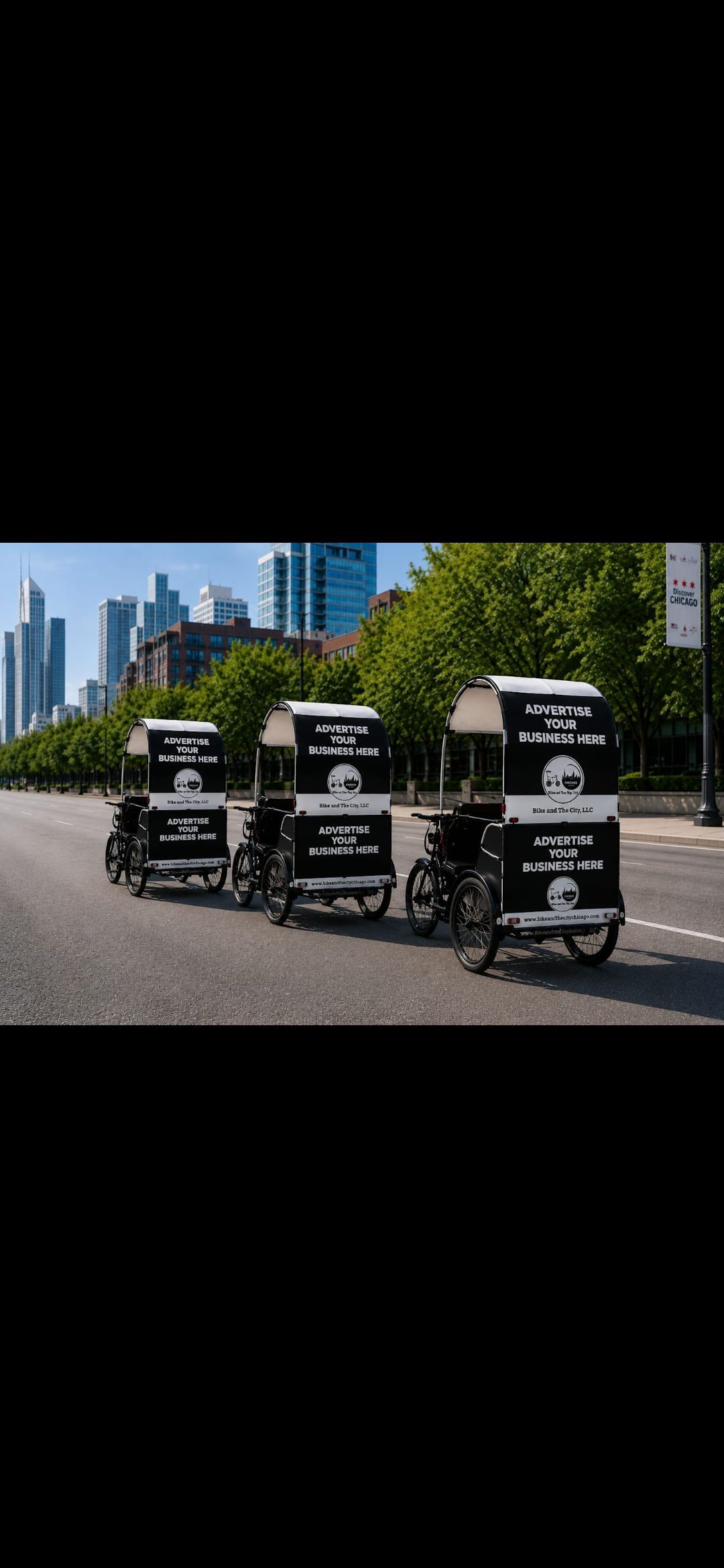
A great Chicago event can lose momentum in the space between the venue, hotel, photo stop, and after-party. That is where an event shuttle comparison becomes more than a transportation detail. The right ride keeps guests together, protects the schedule, and adds to the energy you worked hard to create.
For weddings, corporate gatherings, conventions, birthday celebrations, and private group outings, the best choice depends on your route, guest count, timing, and the kind of experience you want people to remember. A charter bus may be the practical move for a long highway transfer. Rideshares can work for a handful of independent travelers. But when the route is right, a pedicab shuttle turns getting there into part of the event.
Event Shuttle Comparison: What Actually Matters
Price gets plenty of attention, but the lowest per-person number is not always the best event value. Think about the guest experience from the moment one activity ends to the moment the next one begins. Are people waiting outside? Are they splitting into separate vehicles? Will they know where to go when they arrive? Does the ride fit the personality of the event?
A useful event shuttle comparison weighs five things: capacity, route, scheduling control, guest comfort, and atmosphere. Capacity determines how many vehicles you need. Route determines whether a vehicle can move efficiently through Chicago streets. Scheduling control matters when a ceremony, keynote, dinner reservation, or game time cannot slide. Comfort includes weather protection, accessibility needs, and how far guests must walk. Atmosphere is the often-overlooked factor that can turn a transfer into a highlight.
There is no one-size-fits-all winner. The smart choice is the one that makes your particular day feel easier for guests and simpler for the person organizing it.
Charter Buses: Best for Long Routes and Big Head Counts
Charter buses are built for volume. If you are moving a large group between O'Hare and a suburban hotel, transporting attendees over an expressway, or covering a longer distance in cold or rainy weather, a bus offers shelter and high capacity in one package. It can also be a strong option for guests who need a more traditional seated ride or have mobility considerations that require a vehicle with specific features.
The trade-off is flexibility. Buses need appropriate loading zones, room to pull over, and routes that work with their size. In downtown Chicago, a bus can feel removed from the city rather than connected to it. Guests may spend time loading and unloading, and a short trip can become a full logistical production.
For a convention transfer or a long-distance wedding shuttle, that may be completely worthwhile. For a quick move from River North cocktails to a nearby dinner, it may be more vehicle than the moment needs.
Rideshares: Best for Small, Flexible Groups
Rideshares are familiar and easy to request, which makes them tempting for smaller groups. They work well when guests are arriving on different schedules, leaving at different times, or making their own plans after an event. They also avoid the upfront coordination of reserving a dedicated fleet.
For an organized event, though, rideshares can introduce uncertainty. Vehicle availability changes with demand, drivers may arrive at different corners, and surge pricing can turn a simple plan into an expensive one. Groups get divided into separate cars, which can mean missed directions, late arrivals, and less shared excitement.
A rideshare is transportation. It is rarely hospitality. If your priority is giving 10 guests individual freedom, that is fine. If your priority is moving 100 guests through a tight schedule with a consistent experience, relying on on-demand cars can create more follow-up than expected.
Walking: Best When the Destination Is Truly Next Door
Chicago is made for walking, especially when the weather is beautiful and the route takes guests past the Riverwalk, Millennium Park, the Loop, or a favorite neighborhood block. A short walk can be refreshing after a dinner or meeting, and it costs nothing.
The key word is short. A route that seems easy on a map can feel very different in dress shoes, formalwear, summer humidity, winter wind, or a crowded convention corridor. Walking also scatters a group quickly. Some guests move ahead, others stop for photos, and anyone unfamiliar with the area may hesitate at the next turn.
Walking is a wonderful ingredient in an event itinerary. It is less dependable as the main plan when time matters or when you are responsible for a wide range of ages and comfort levels.
Pedicab Shuttles: Best for Energy, Visibility, and Short City Routes
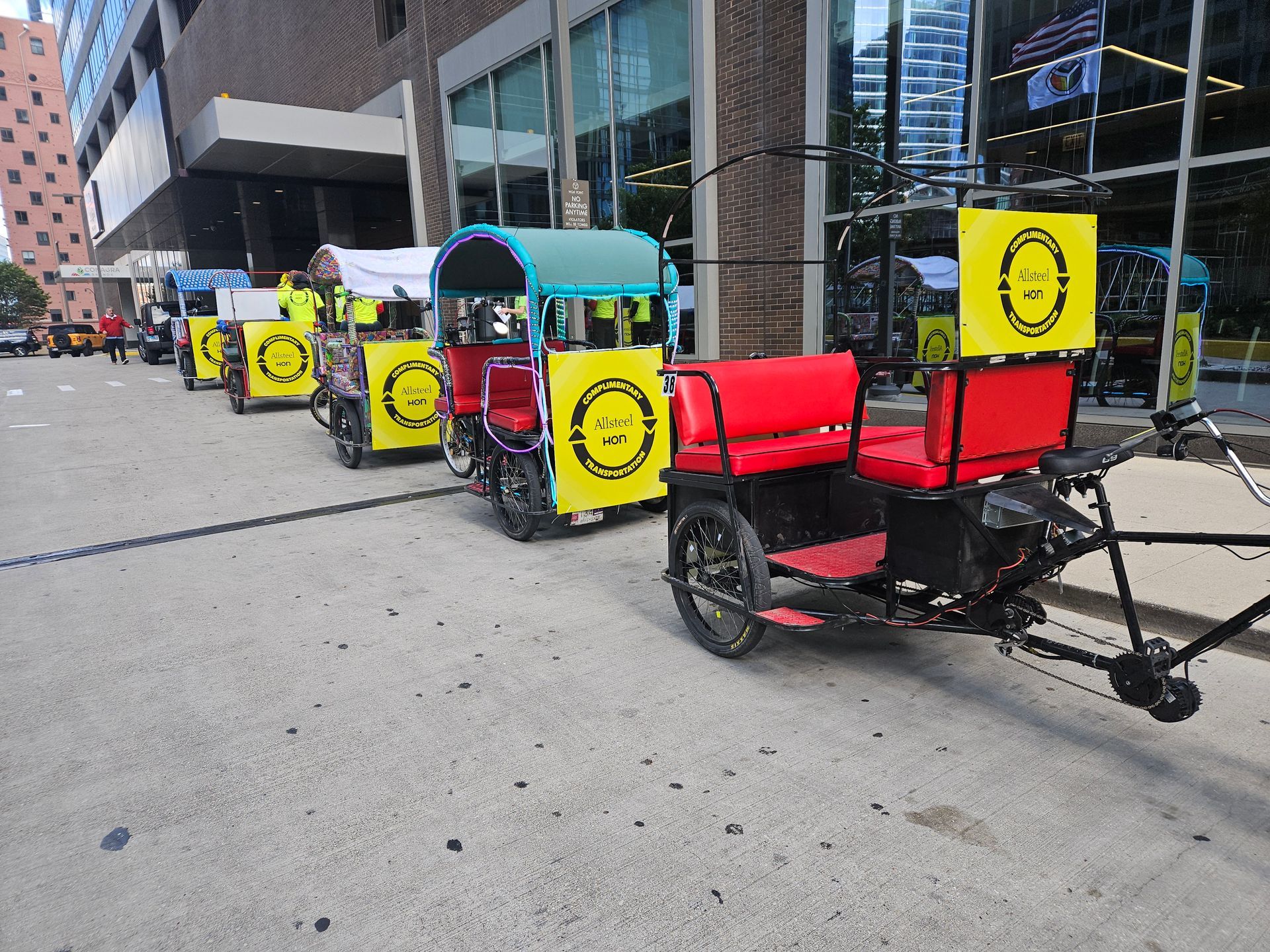
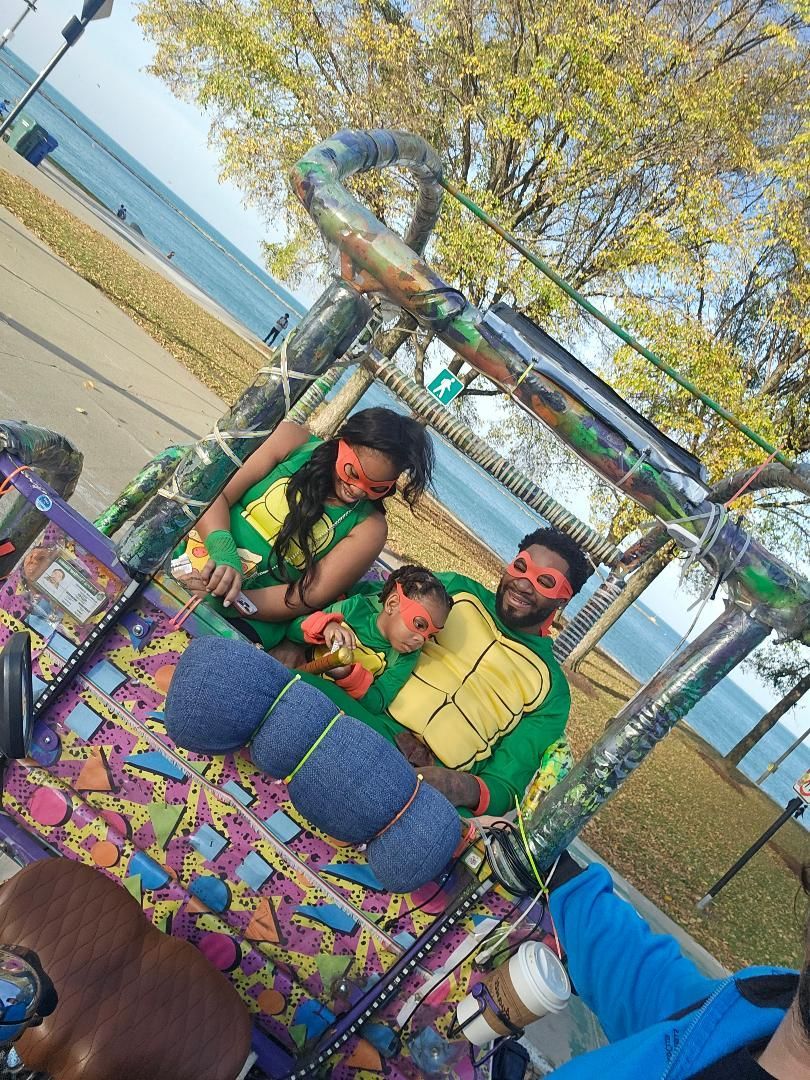
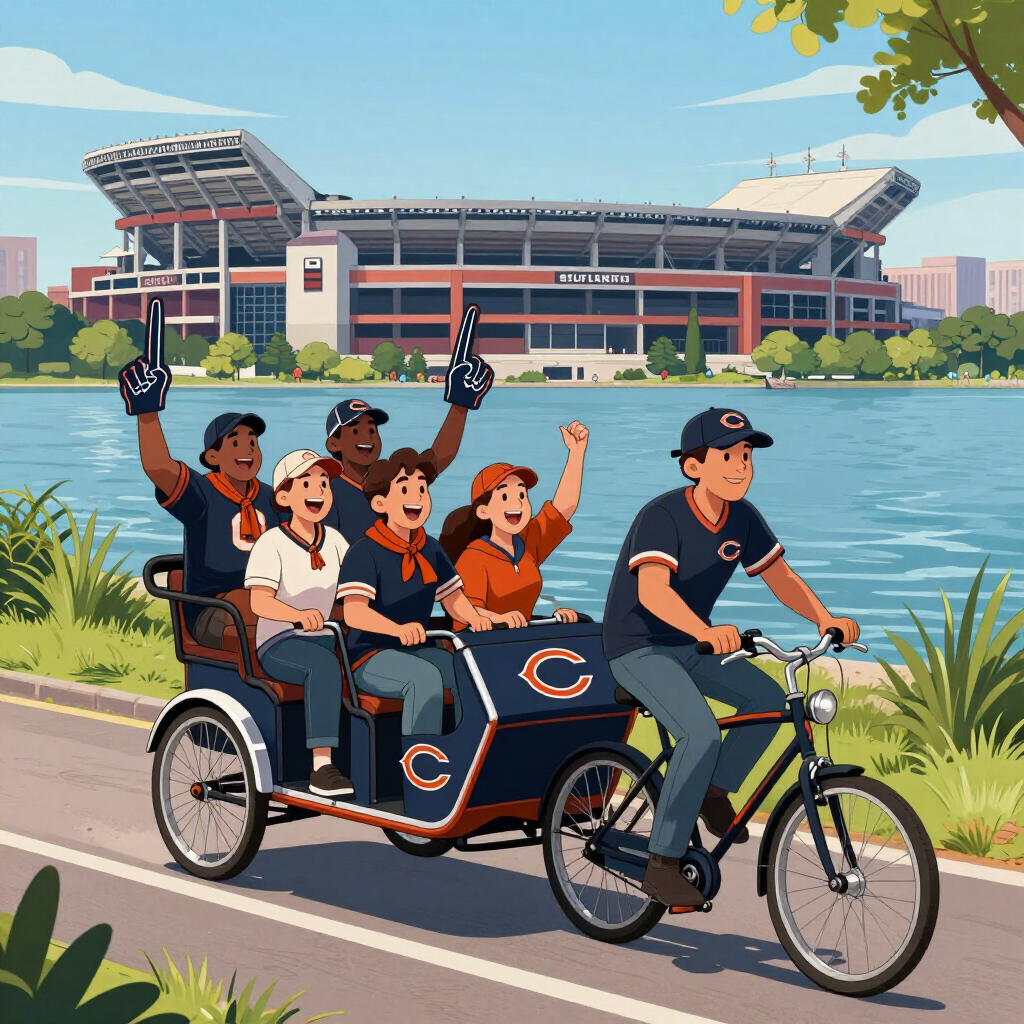
Pedicab shuttles shine on short to mid-length urban routes where guests would rather see Chicago than sit behind tinted glass. They are especially memorable for wedding parties, corporate groups, birthday crews, hotel-to-venue transfers, convention activations, and VIP outings near downtown attractions.
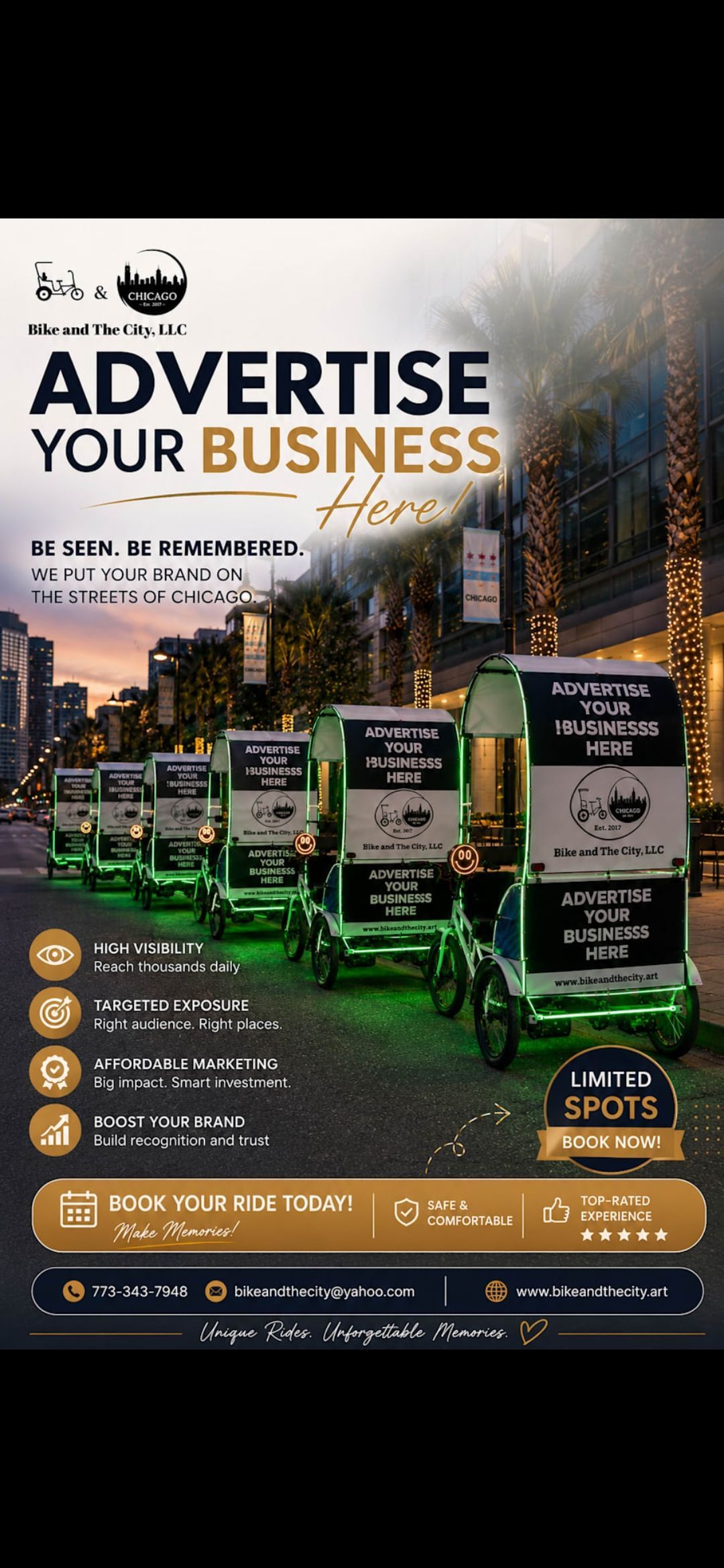
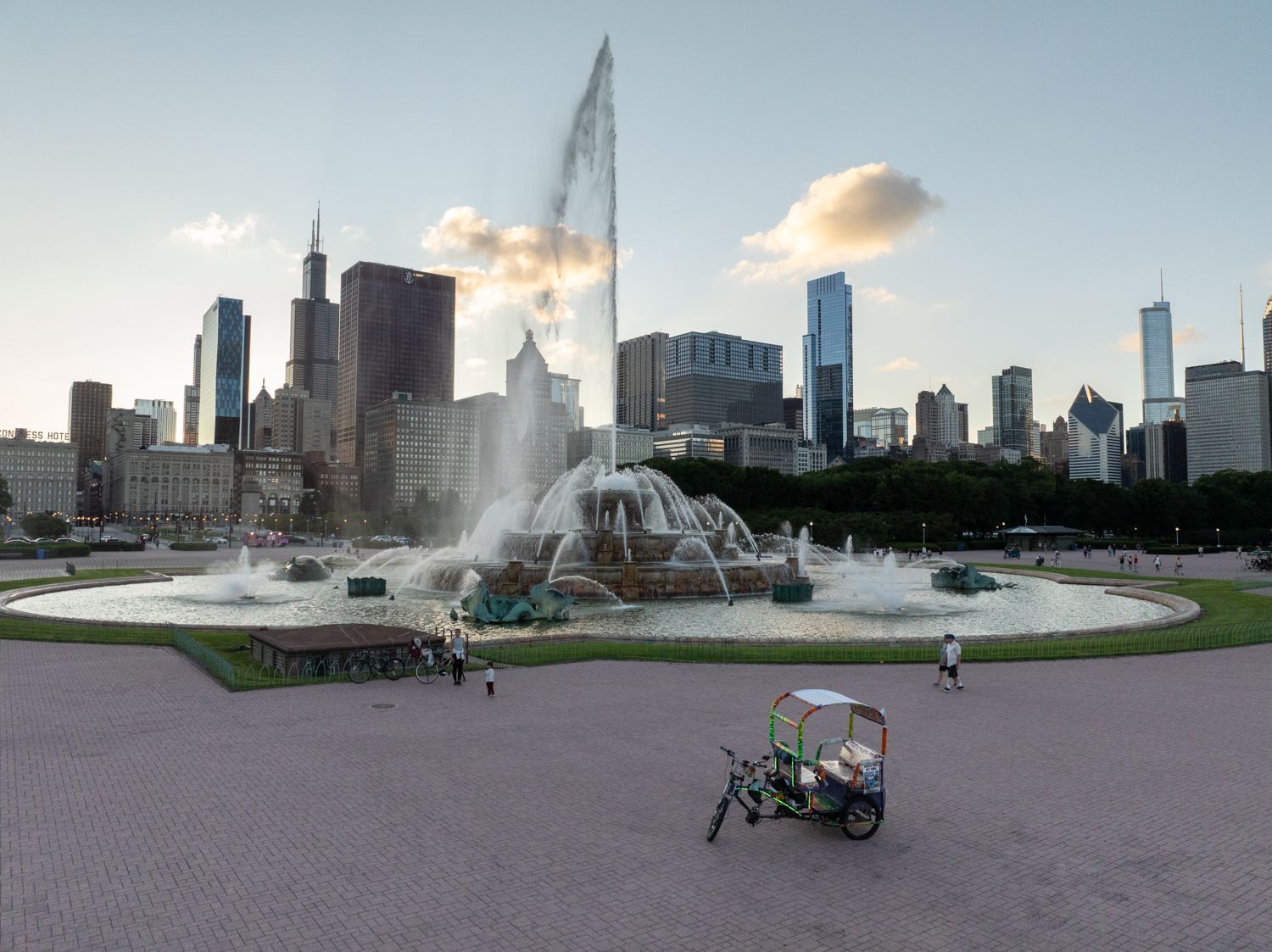
Instead of separating people into anonymous vehicles, pedicabs create an open-air, social ride. Guests can take photos, enjoy music and lights, talk with their driver-guide, and arrive with the feeling that the event has already started. For brand events, branded pedicabs can also put your company or campaign in front of pedestrians, diners, and city traffic along the route.
Pedicabs are not the answer for every trip. They are best on carefully planned city routes, not highway travel. Rain, extreme cold, and very long distances may point you toward another option or a mixed transportation plan. Capacity also requires coordination: a group of 100 needs a managed fleet and timed departures, not a single vehicle.
That is where an experienced event partner makes the difference. Bike and the City has operated in Chicago since 2017, pairing professional drivers with scalable pedicab transportation for intimate celebrations and large group events. The ride stays fun, but the logistics are handled with the same care as the lights, music, and landmark views.
Match the Vehicle to the Moment
The strongest event transportation plans often use more than one approach. A large corporate group might take buses from the airport, then use pedicab shuttles for a lively downtown evening event. A wedding party may use a classic vehicle for the ceremony transfer and pedicabs for photos and the ride to the reception. A conference can offer rideshares for late arrivals while reserving a visible pedicab fleet for scheduled VIP movements.
Start with the route, not the vehicle. Map where guests begin, where they need to be, how much time they have, and what happens if traffic or weather changes the plan. Then consider the emotional temperature of each moment. A quiet airport arrival calls for comfort and capacity. A team celebration on a summer evening calls for a little more personality.
Questions to Ask Before You Book
Before choosing a shuttle provider, ask how they handle routes, staging, weather, guest communication, and schedule changes. Confirm the pickup and drop-off locations rather than assuming a vehicle can stop directly in front of every building. For a large group, ask how departures will be paced so guests are not left waiting after the first wave leaves.
You should also ask what guests will experience on board. For some events, air conditioning and enclosed seating are the priority. For others, the ability to play music, take skyline photos, and feel the city around them is exactly what makes the transportation worth booking.
Finally, make sure the transportation reflects the promise of your event. A premium invitation, a stunning venue, and a thoughtful guest list deserve a plan that feels intentional all the way through the last transfer.
Chicago gives every gathering a big-city backdrop. Choose a shuttle that lets your guests enjoy it, stay connected, and arrive ready for whatever you planned next.