How to Move Convention Attendees Efficiently
How to Move Convention Attendees Efficiently
A convention can have a brilliant agenda, a packed exhibit floor, and an unforgettable keynote, then lose momentum at the curb. When guests are stuck searching for a rideshare, walking several blocks in formal shoes, or arriving late to an off-site reception, transportation becomes part of the event experience. Knowing how to move convention attendees efficiently means treating every pickup, route, and drop-off as a guest-service moment.
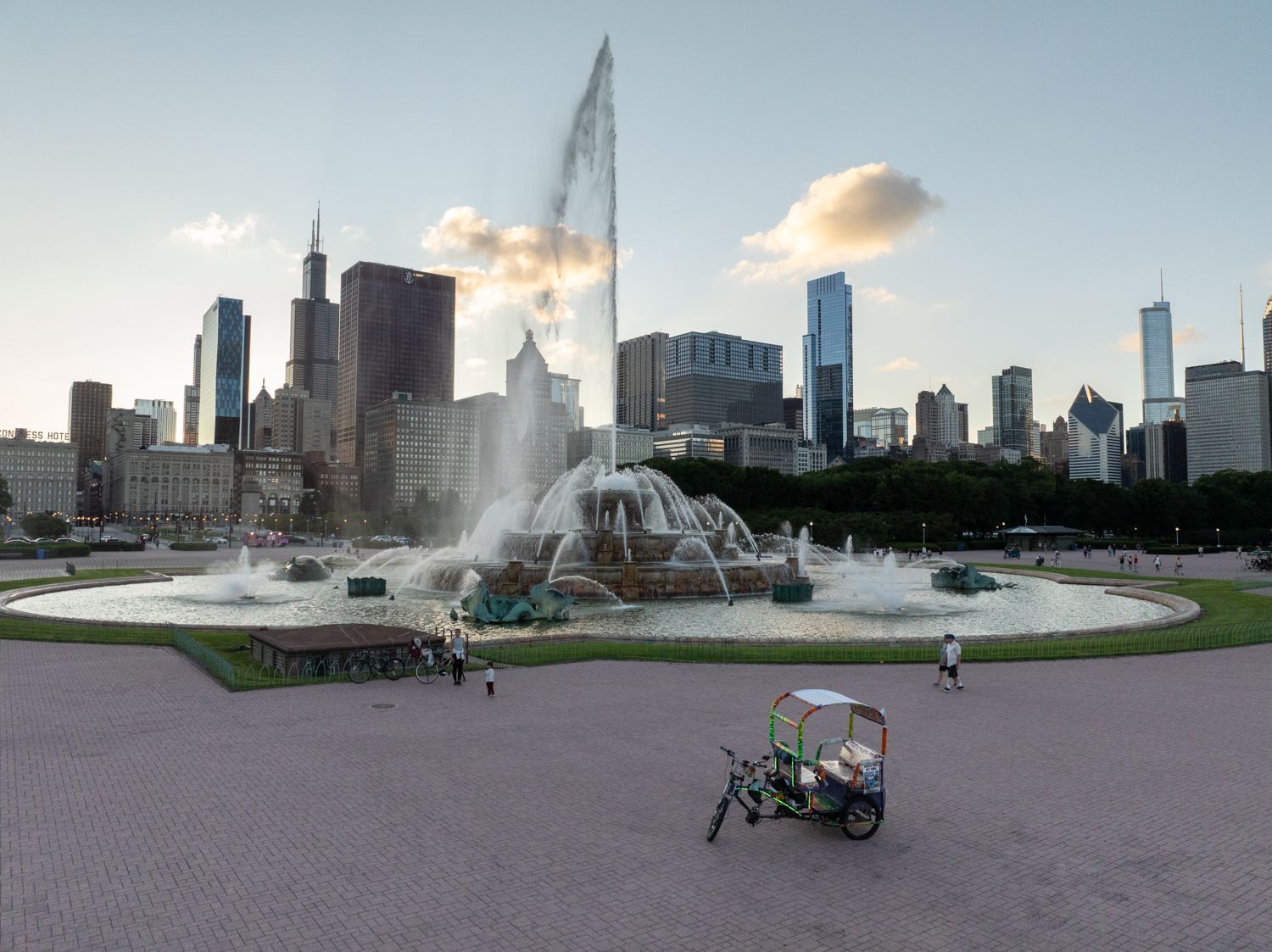
For Chicago conventions, the challenge is especially real. McCormick Place, downtown hotels, restaurants, venues, and lakefront attractions can look close on a map while feeling far apart during rush hour, rain, or a packed event schedule. The right transportation plan keeps people moving, gives them a clear next step, and adds some energy to the ride.
Start With the Attendee Journey, Not the Vehicle
The most efficient event transportation plan begins with a simple question: where will people be at each transition? Map the full guest journey from hotel check-in to the convention center, breakout events, sponsor dinners, after-parties, and final departures. Focus on the moments when attendees are likely to be tired, unfamiliar with the area, carrying materials, or trying to travel in groups.
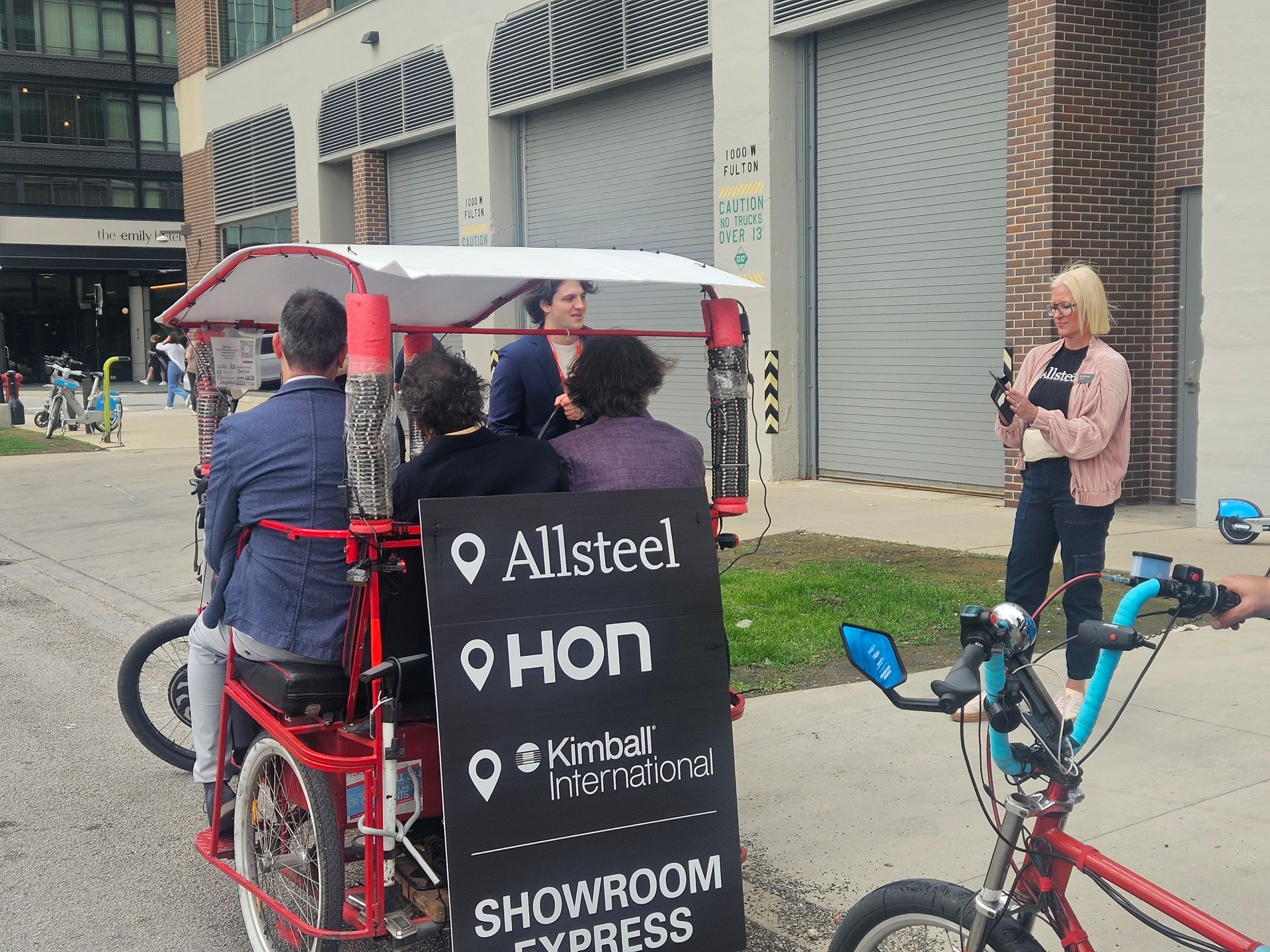
A vehicle is only useful when it solves a real movement problem. For example, a pedicab shuttle can be a premier choice for moving guests from a convention venue to a nearby restaurant district, hotel entrance, or evening event. It is less practical for a long cross-city transfer with luggage. A smart plan uses the right transportation format for each leg rather than forcing one solution onto the entire event.
Build your schedule around the highest-pressure windows. Morning arrivals, lunch releases, the end of the main stage program, and evening receptions are where lines form fast. If 300 people leave a ballroom within 15 minutes, a casual “transportation will be available” message will not be enough. Guests need a visible pickup point, clear timing, and a simple process they can understand at a glance.
How to Move Convention Attendees Efficiently With Zones
For most convention groups, designated transportation zones beat open-ended pickup instructions. Instead of telling attendees to “meet outside,” assign a named and staffed location: the west lobby doors, the hotel valet entrance, or a clearly marked corner near the event exit. Use event signage, staff direction, and the same language in the agenda so nobody has to guess.
Create separate zones when different groups have different needs. VIPs may need direct rides to a private dinner. General attendees may be traveling to a networking event in staggered groups. Sponsors may have a designated arrival window for a branded activation. Separating these flows prevents one high-priority movement from slowing everyone else down.
The best zones also account for the real street environment. Look for safe loading space, visibility, pedestrian traffic, construction, and venue rules. In busy downtown areas, the closest curb is not always the fastest curb. A pickup point that is one block away but easy to access can move guests much more quickly than a congested entrance with competing buses, taxis, and rideshares.
Make the Pickup Experience Obvious
Convention attendees should not need to open an app, scan a long email thread, or flag down a driver to figure out where to go. Give them a short instruction they can remember: “Pedicab pickup is outside the north lobby from 5:30 to 7:00 p.m.” Repeat it on digital screens, event reminders, and directional signs.
A transportation host at the pickup zone adds major value. That person can organize the queue, answer quick questions, help guests form groups, and communicate with drivers when demand spikes. It is a small operational detail that makes the experience feel polished and VIP.
Use Waves Instead of One Massive Release
Sending everyone out at once is the fastest way to create a bottleneck. If your agenda allows it, release attendees in waves. Ask one set of breakout rooms to depart first, schedule sponsor groups a few minutes apart, or give guests a 20-minute arrival window for an evening activation.
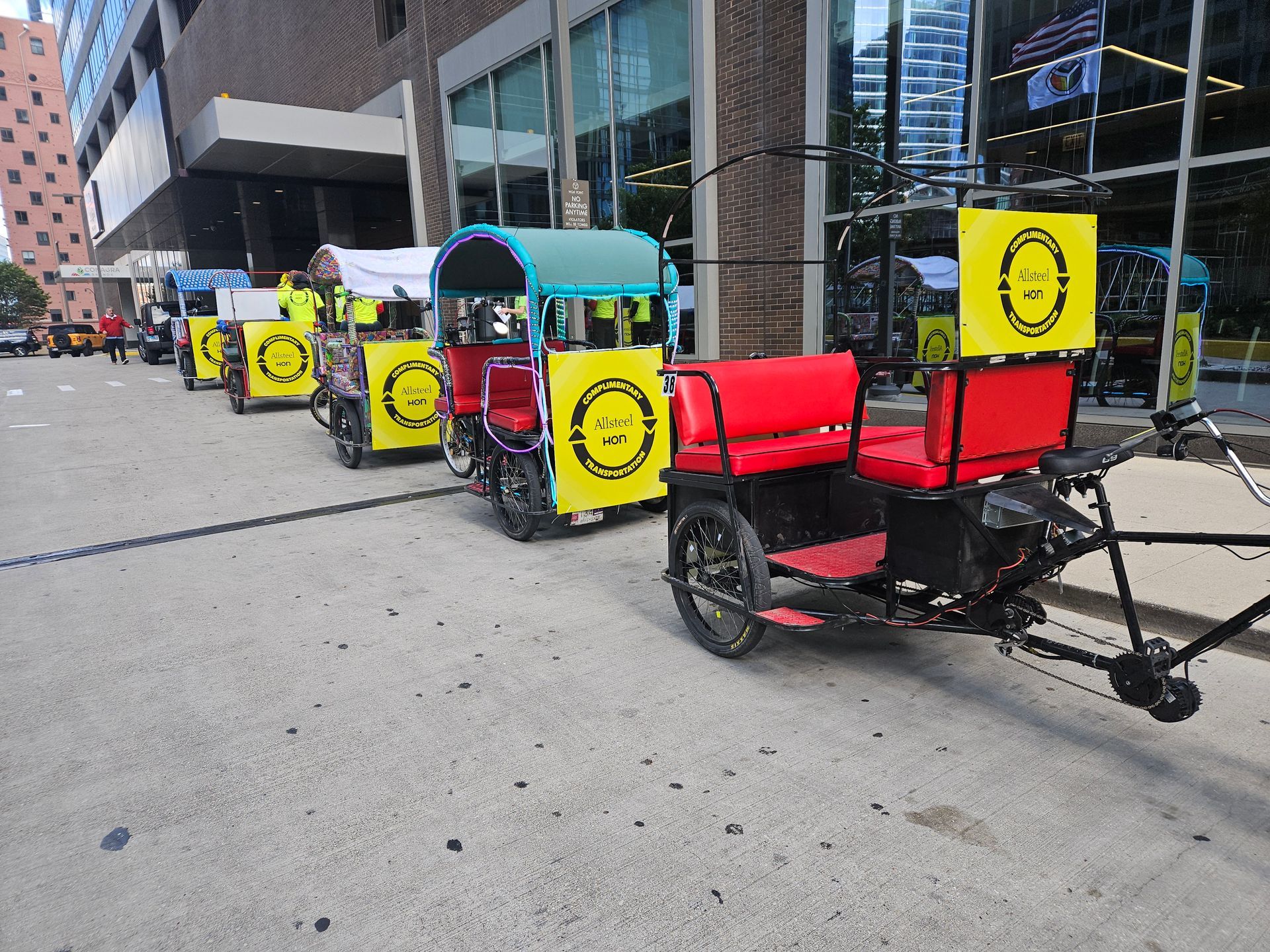
Waves work particularly well for pedicabs because the ride itself becomes part of the fun. Guests can board in small groups, enjoy music, lights, and a lively view of Chicago, then arrive at the next venue ready to connect. Rather than making people wait in a long line for a large vehicle to fill, you can keep a steady, visible flow moving from curb to destination.
There is a trade-off. Tight event schedules may not allow a long departure window, and some groups need to arrive together for a program start. In those cases, increase vehicle availability during the peak period and keep the route short. Efficiency is not always about reducing the number of rides. Sometimes it means putting enough capacity at the exact moment guests need it.
Plan Routes for Reliability, Not Just Distance
The shortest route is not automatically the best route during a convention. Chicago traffic patterns, street closures, sporting events, weather, and construction can all reshape travel time. Choose routes that are easy for guests to understand and reliable for drivers to repeat throughout the event.
For nearby destination transfers, pedicabs can avoid the frustration of circling for parking or waiting in rideshare traffic. They are especially effective for convention-to-dinner trips, hotel-to-venue runs, and moving guests between neighboring downtown districts. A professional driver-guide can also turn those few minutes into a memorable Chicago moment, pointing out landmarks and keeping the energy high.
For longer routes, consider a mixed transportation plan. Use pedicabs for the final-mile connection and other vehicles for the longer transfer. This can be a practical answer when guests need to get from a large convention center to a distant neighborhood, but the final arrival area is crowded or difficult to navigate by car.
Match Capacity to Demand Before Event Day
A transportation partner needs more than an attendee count. Share the event schedule, venue entrances, destination addresses, expected peak periods, guest profiles, and any mobility considerations. A 100-person group leaving over two hours needs a very different plan than 100 people departing at 6:00 p.m. sharp.
Estimate demand by movement, not by total registration. If 800 people attend the convention but only 180 are expected at the client dinner, plan for the dinner group. Then account for uncertainty. A popular reception, bad weather, or an unexpectedly late session can shift demand quickly.
Bike and the City has supported Chicago events since 2017 with professional drivers, branded pedicabs, and scalable group transportation for gatherings of 100 or more attendees. For corporate planners, mobile branding can also turn the transportation fleet into a visible part of the event presence rather than an invisible logistics expense.
Keep Accessibility and Comfort in the Conversation
Efficient movement has to work for the actual people attending. Ask early about accessibility needs, guests with limited mobility, dress-code concerns, weather plans, and anyone carrying event materials. Pedicabs are a fun fit for many attendees, but they should be one part of an inclusive plan when a group has varied transportation requirements.
Weather is another decision point. Chicago can deliver bright lakefront sunshine, sudden rain, wind, or cold temperatures in the same event week. Confirm the contingency plan before contracts are finalized. Guests are more forgiving of a weather change than they are of unclear instructions when it happens.
Turn Transportation Into Part of the Convention Experience
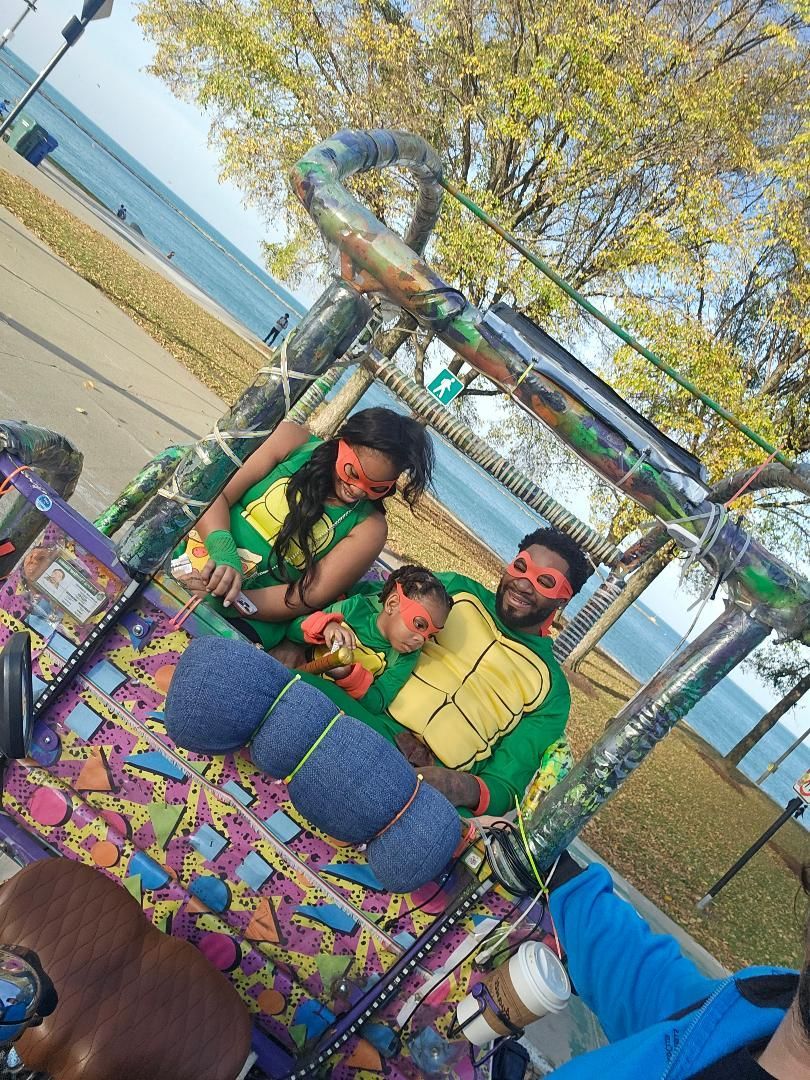
The most effective convention transportation does more than get attendees from point A to point B. It creates a transition between the business of the day and the social side of the event. Music, city lights, friendly drivers, and a celebratory group ride can make an off-site dinner feel like an occasion before guests even reach the door.
That matters for attendance, too. When transportation is easy and fun, more people are likely to join the reception, sponsor event, or optional city experience. It helps out-of-town guests feel hosted instead of stranded, while giving locals a fresh way to enjoy their own city.
Before your next convention, walk the route as your attendees would. Stand at the exit, look for the curb, check the signs, and imagine arriving with a phone at 4% battery after a full day on the exhibit floor. The plan that feels clear, welcoming, and enjoyable in that moment is the one guests will remember.