Festival Transport Planning for Chicago Events
Festival Transport Planning for Chicago Events
A great Chicago festival can lose its momentum in a single bottleneck: a rideshare pickup zone that is too far away, a guest entrance no one can find, or a group stranded after the headliner. Festival transport planning is what keeps the energy high between the train station, the gate, the food vendors, the stage, and the ride home. Done well, it feels effortless to guests. Behind the scenes, it is a carefully timed experience.
For neighborhood festivals, corporate celebrations, music events, weddings with festival-sized guest lists, and private parties, transportation is not a side detail. It shapes the first impression, the pace of the event, and the final memory attendees take with them.
Start Festival Transport Planning With the Guest Journey
Before choosing vehicles or mapping pickup points, picture a real guest arriving at your event. Are they visiting Chicago for the weekend? Wearing heels? Traveling with children? Coming from a hotel, office, parking garage, or CTA station? Those details determine whether your plan feels welcoming or frustrating.
Map the journey in four moments: arrival, entry, movement during the event, and departure. Each moment needs a clear answer to one simple question: where should guests go next?
Arrival is where confusion usually begins. A festival may have several entrances, but guests should not have to guess which one fits their ticket type, accessibility needs, or group. Give VIPs, wedding parties, sponsors, performers, and general attendees their own instructions when needed. Clear arrival windows also prevent every car from appearing during the same 15-minute stretch.
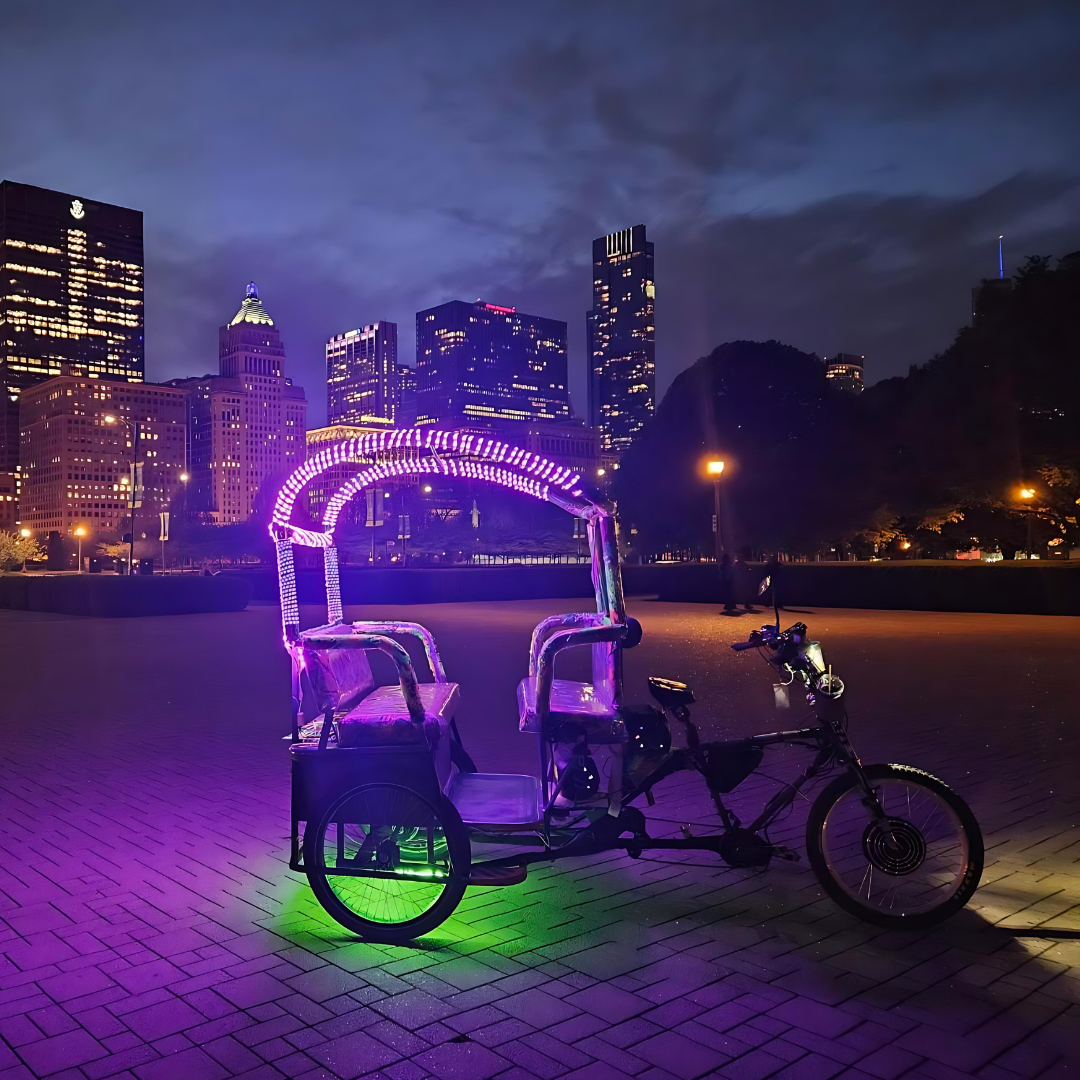
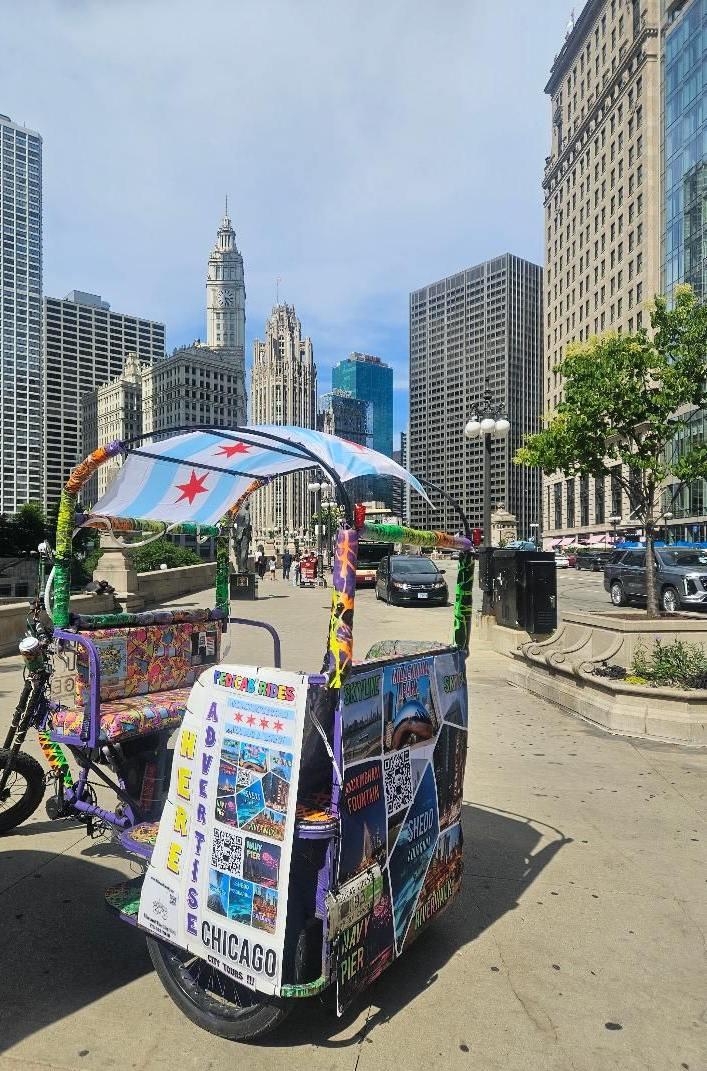
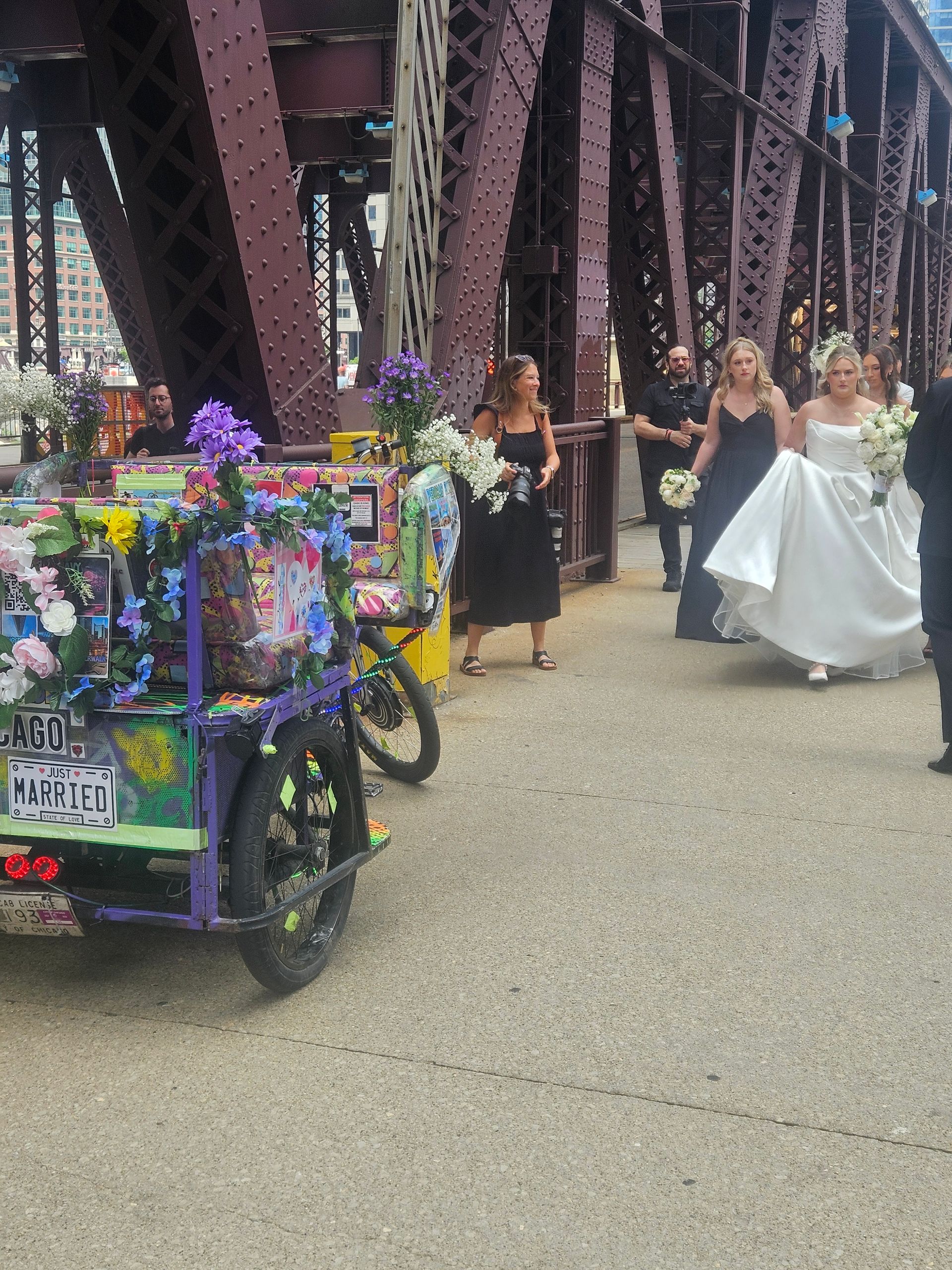
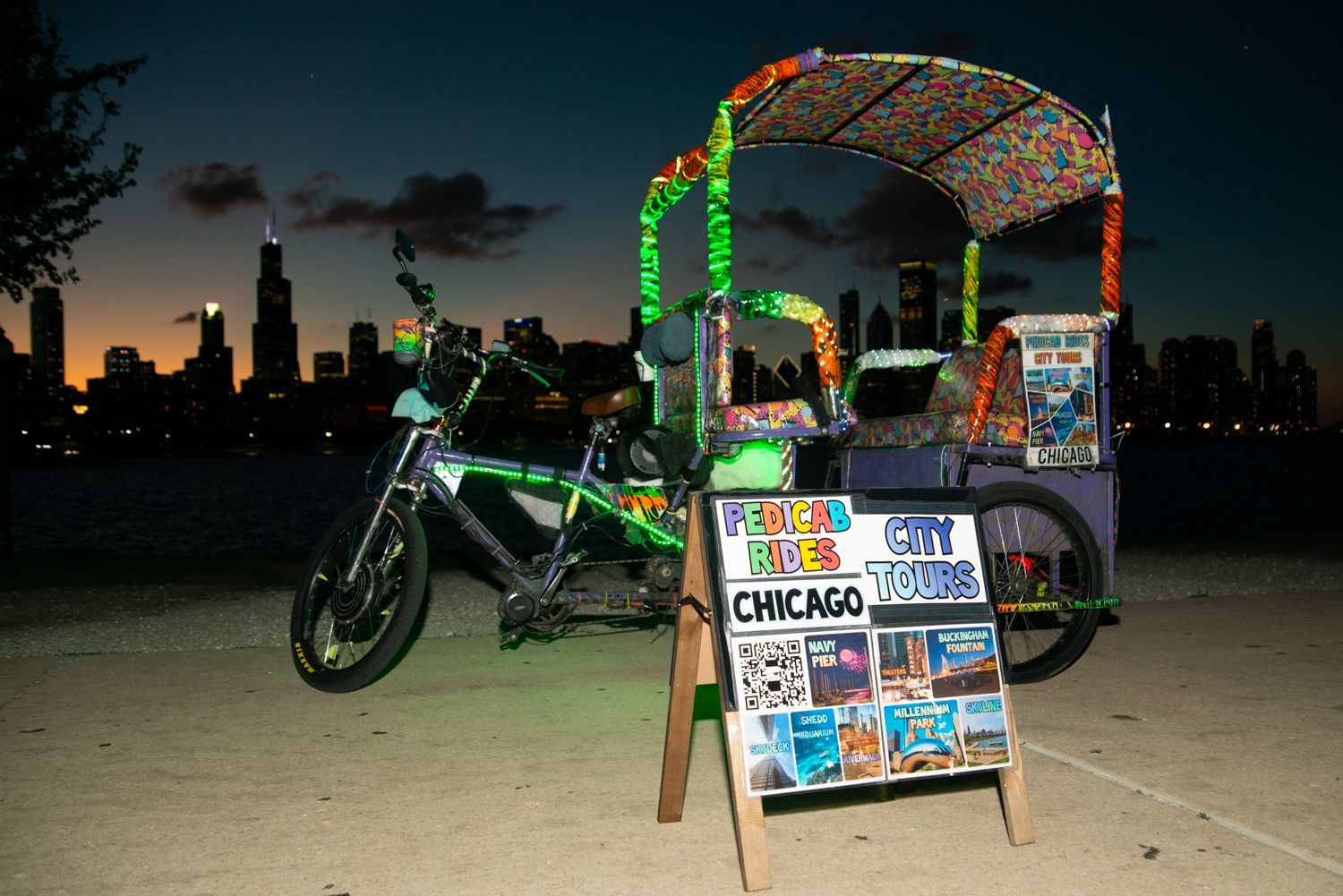
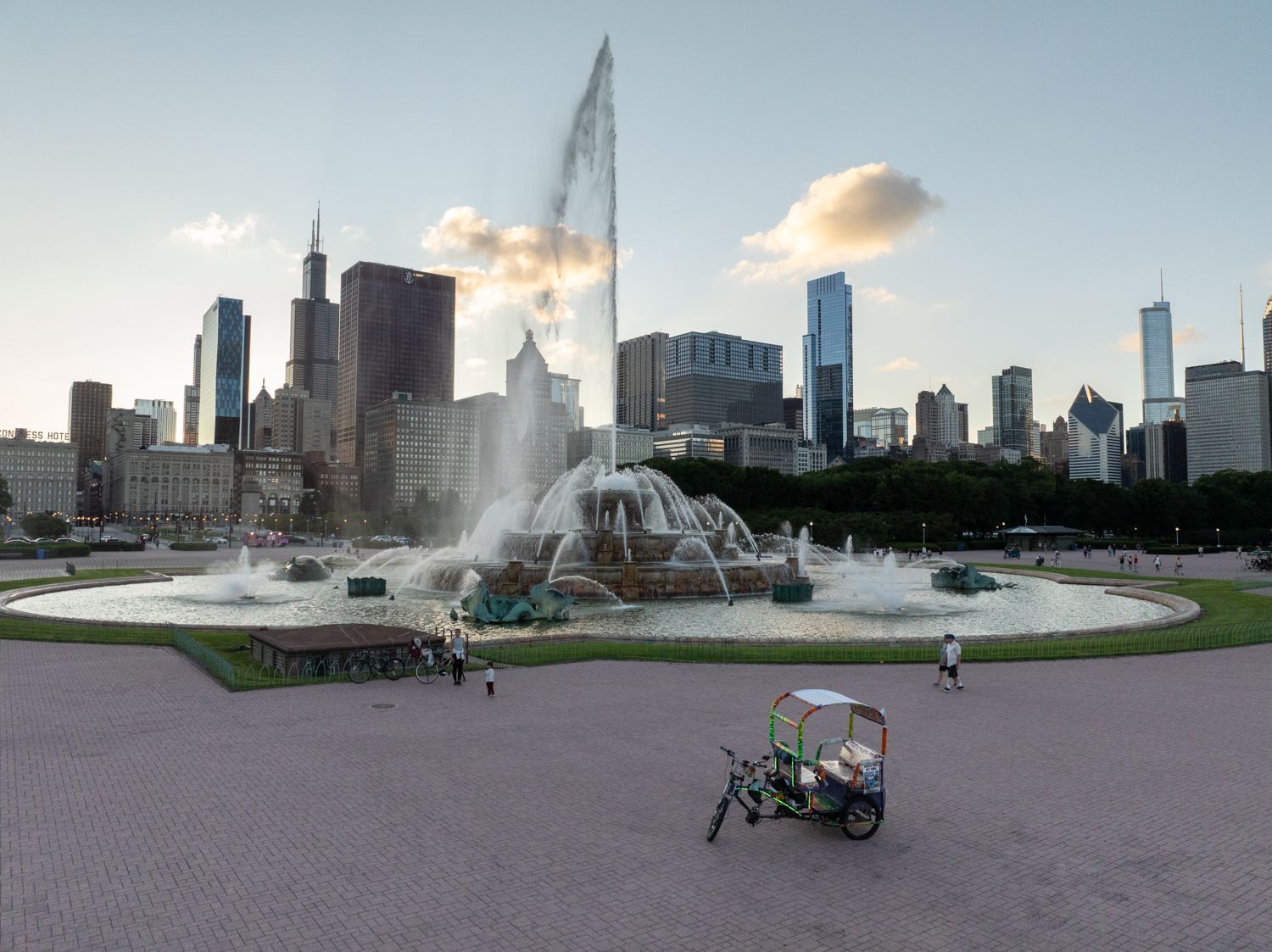
During the event, transportation can be part of the fun rather than an interruption. A branded pedicab route between a remote lot and the gates, for example, gives guests a lively welcome while reducing a long walk. Music, lights, and a friendly driver-guide create an experience that a standard shuttle rarely matches.
Departure deserves just as much attention. The end of an event is when tired guests, street closures, weather, and demand for rideshares all collide. A visible pickup zone, staggered exit messaging, and reliable short-distance transportation can turn a chaotic final hour into a smooth sendoff.
Match Transportation to Your Festival Footprint
There is no one perfect festival transportation setup. The right mix depends on the size of the crowd, street access, venue layout, weather, and how far people need to travel.
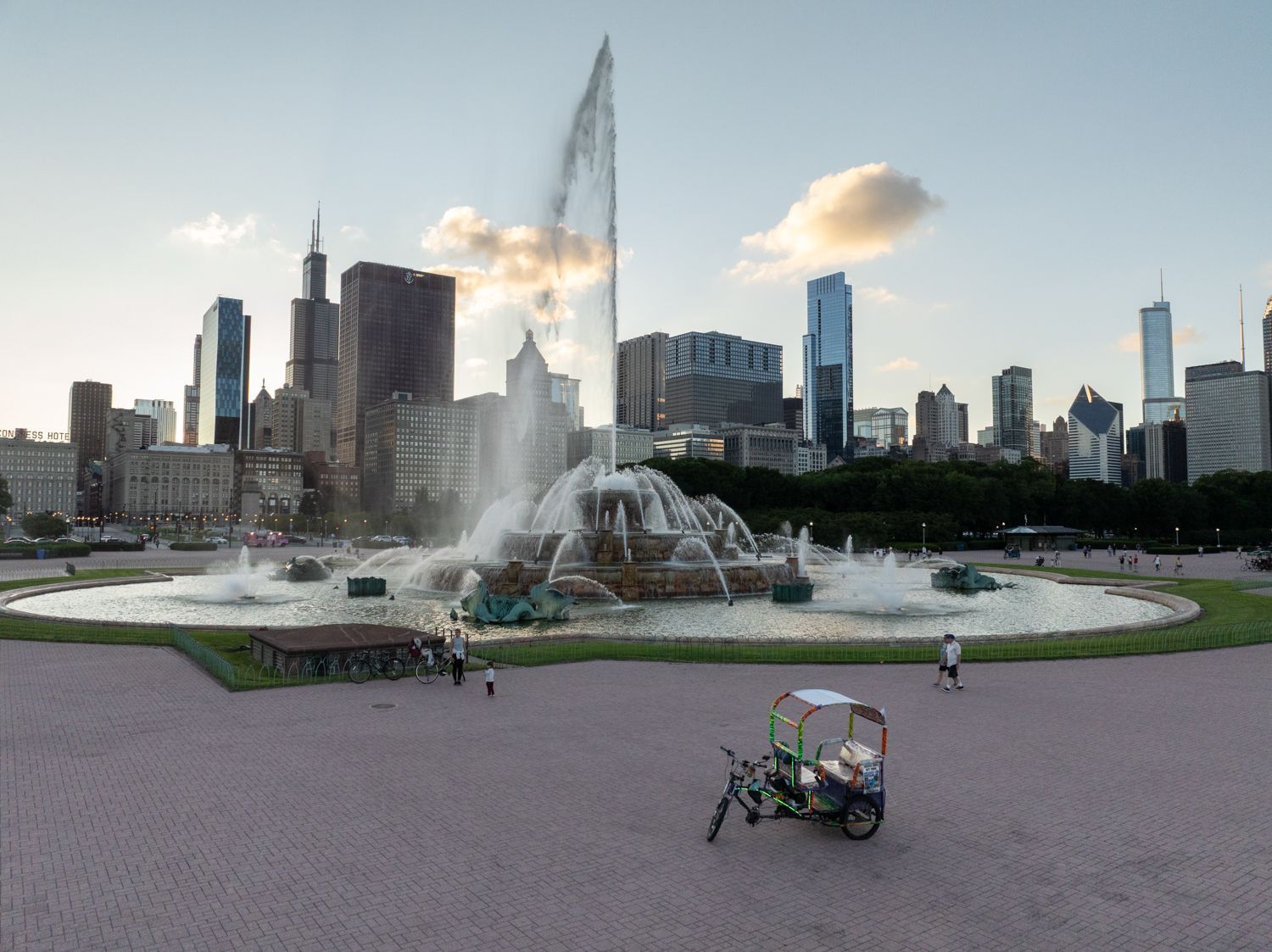
For a compact event with nearby parking, pedicabs are ideal for moving guests through crowded blocks, connecting people to entrances, and offering VIP rides. They are especially effective in Chicago areas where traffic inches along but a pedicab can keep moving through designated routes. They also add a colorful, photo-worthy presence that fits celebrations, brand activations, and evening events.
For a spread-out festival, use transportation in layers. Larger shuttles can bring groups from hotels or distant lots to a central drop-off point. Pedicabs can then handle the last stretch, helping guests reach the gate, a private tent, or a nearby after-party. This approach works well when the event needs capacity without losing the personal, festive feeling of a premium arrival.
Walking should still be part of the plan, but it should be intentional. A five-minute walk through an attractive, well-marked route is very different from a 20-minute walk past closed streets with no signage. Be honest about distances in guest communications. People are far more patient when they know what to expect.
Plan for the People Who Need Extra Help
Festival mobility should account for guests who cannot or do not want to walk long distances. Families with strollers, older relatives, guests with limited mobility, and attendees carrying event gear all benefit from easy drop-off options and a clear transportation point of contact.
Pedicabs can be a wonderful choice for short, comfortable transfers, though capacity and accessibility needs should be discussed early. The goal is not to promise every guest the same ride. It is to make sure every guest has a dignified, practical way to arrive and depart.
Build a Route That Works in Real Chicago Conditions
A route that looks perfect on a map can fall apart on event day. Chicago festivals often share streets with construction, weekend traffic, athletic events, parades, lakefront activity, and neighborhood parking restrictions. Festival transport planning needs a real-world route review, not just a pin dropped on a map.
Walk or drive the key route before the event whenever possible. Look for narrow turns, uneven pavement, curb access, bike lanes, delivery zones, and intersections that back up at peak times. Confirm where vehicles can legally wait and where they cannot. A pickup area that blocks traffic or conflicts with a vendor load-in quickly becomes a problem for everyone.
Your drivers and event team also need one shared operating plan. They should know the route, alternate routes, guest pickup script, event contact, and cut-off time for rides. A professional transportation partner will help identify these details early, especially when branded pedicabs and multiple drivers are part of the event.
Weather deserves its own backup plan. Chicago can deliver summer heat, sudden rain, strong wind, or a chilly evening after a warm afternoon. Create a covered waiting point when possible, communicate weather updates quickly, and decide in advance how rides will operate if conditions change. Flexibility is valuable, but clear decisions are even better.
Use Timing to Prevent the Biggest Crowds
The busiest transportation moment is not always when the festival opens or closes. It may be just before a popular set, after a keynote, at the end of cocktail hour, or when a nearby parking garage begins charging a higher rate. Ask where crowd surges will happen, then place transportation before the problem instead of after it.
Staggered arrivals work well for corporate groups, wedding guests, and VIP experiences. Rather than telling everyone to arrive at 6:00 p.m., invite groups in waves. Early arrivals can enjoy a welcome drink, photo moment, or first look at the festival grounds. Later arrivals avoid standing in a long curbside line.
For departure, give guests a reason not to leave all at once. A final toast, closing music, dessert station, or post-event ride option can naturally spread out the exit rush. If the festival has a hard ending, begin reminding guests about pickup locations before the final act ends. Instructions sent after everyone is already outside are usually too late.
Make Transportation Part of the Festival Experience
The most memorable event transportation does more than move people. It sets the mood.
A pedicab ride with music and vibrant lights can turn the block between a hotel and festival entrance into part of the celebration. For corporate events, branded vehicles put your logo in front of guests and passersby while creating a polished VIP touch. For weddings and friend groups, a shared ride creates laughs, photos, and a moment to enjoy the city before the next stop.
That experience factor matters because guests remember friction. They remember the long walk, the missed turn, and the struggle to find a ride. But they also remember being greeted by a smiling driver, seeing Chicago lights from a pedicab, and arriving at the gate already excited.
Bike and the City has been helping guests experience Chicago by pedicab since 2017, from intimate outings to large-scale event transportation. For festivals, the value is not just getting from Point A to Point B. It is giving attendees a fun, professional, and highly visible way to move through the city.
Communicate Like a Great Host
Even the best transportation plan fails if guests do not know about it. Keep directions short, specific, and repeated in the places people actually check: confirmation emails, event reminders, signage, staff talking points, and on-site announcements.
Use landmarks, not only street addresses. “Meet by the blue festival arch at the northeast corner” is easier to follow than a block number guests may never see. Tell attendees what the transportation looks like, how long rides typically take, whether rides are reserved or first come, first served, and what to do if they arrive late.
Staff should never have to invent answers at the curb. Give them a simple script and a direct way to reach the transportation lead. Calm, confident guidance keeps a minor delay from feeling like a major issue.
The best festival ride is the one guests barely have to think about. Make the next step obvious, make the wait feel worthwhile, and let the journey add a little Chicago magic before the celebration begins.